How AI Language Translation Is Revolutionizing Multilingual Communication
You might not realize how AI language translation is redefining the way we communicate across cultures. With its capacity to understand context and idioms, this technology is making conversations more seamless and more natural. Businesses are using these tools to penetrate new markets, while individuals enjoy smooth interactions. But what does this mean for the future of communication? The implications are deeper than you might think.
The Emergence of AI Language Translation Technologies
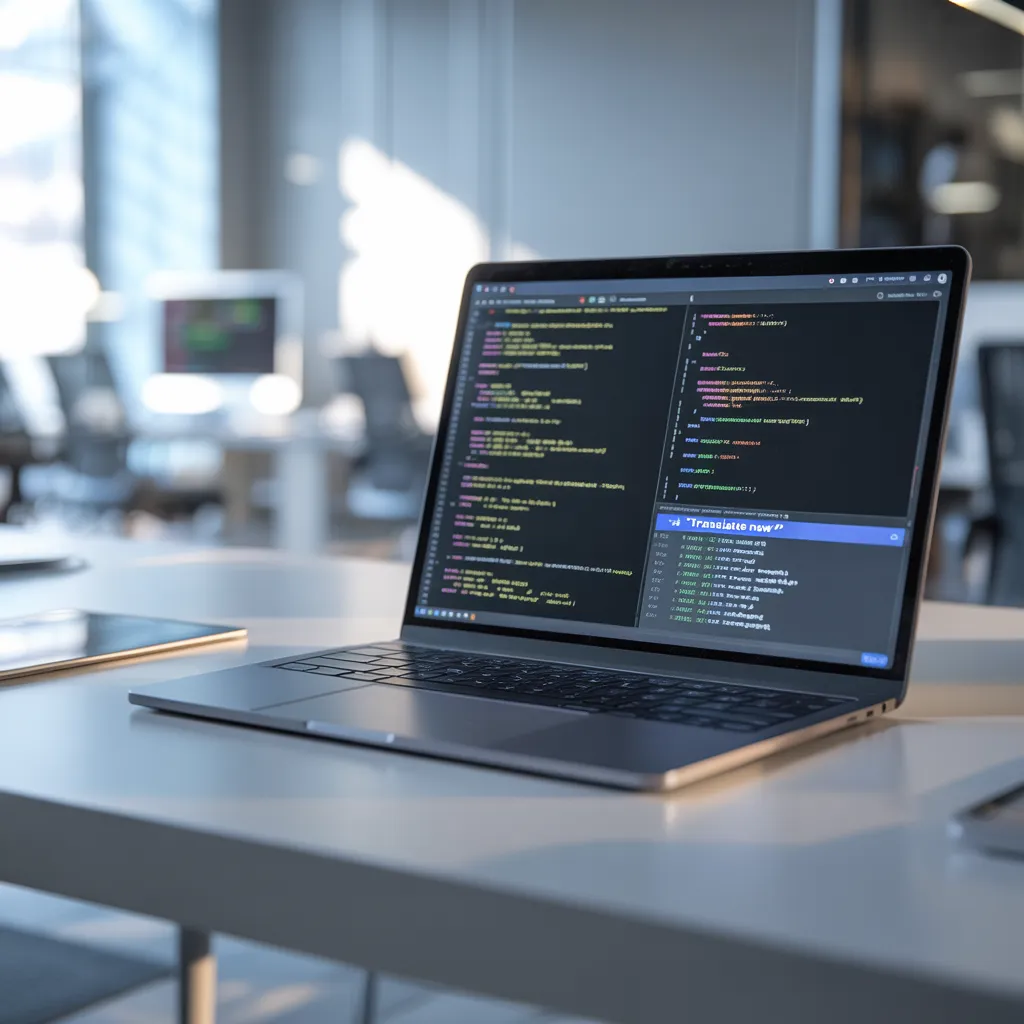
As worldwide communication turns ever more vital, you've likely noticed the swift progression of AI language translation technologies. These developments have revolutionized how you communicate across language barriers, facilitating your ability to connect with people worldwide. AI algorithms analyze vast amounts of data, grasping nuances and context that boost your understanding of different languages. Resources like real-time translation apps and browser extensions are proving indispensable, allowing you to carry on conversations without hesitation. You can effortlessly translate written content, from emails to articles, expanding your access to information. With ongoing updates, these technologies adapt to new dialects and slang, confirming your communication remains relevant. Utilizing AI-driven translation tools allows you to navigate the global landscape with confidence and ease.
The Role of AI in Enhancing Language Translation Accuracy
While traditional translation techniques often struggle with context and nuance, AI substantially improves accuracy by leveraging sophisticated algorithms and machine learning. You'll find that AI systems analyze massive amounts of language data, learning from numerous examples to understand nuances in meaning and tone. These tools can detect idiomatic expressions and cultural references that often challenge human translators. Moreover, AI adapts to specific industries, ensuring that technical jargon or specialized vocabulary is accurately translated. This precision decreases misunderstandings and helps retain the original message's intent. As you interact with multilingual content, you'll realize that AI-driven translations not only improve clarity but also foster meaningful connections across language barriers, enhancing your overall communication experience.
Instant Translation: Connecting People Across Languages Immediately
Picture engaging in a chat with a person from a separate culture and not skipping a beat. With immediate translation, you can quickly comprehend and react, making international communications fluid and fulfilling. This technology not only closes communication distances but also fosters stronger connections between individuals.
Instant Linguistic Understanding
Real-time language understanding transforms the way we communicate across cultures, enabling you to engage in conversations without the barrier of language. With AI-powered translation tools, you can effortlessly translate spoken or written copyright in real-time, bridging gaps that once seemed impossible to overcome. Imagine conversing with someone from halfway around the world, and instantly grasping their copyright and sentiments. This technology doesn't just translate text; it captures intent, tone, and nuance, making interactions feel more natural and fluid. Whether you're traveling, conducting business, or making new friends, this capability empowers you to express yourself clearly and understand others better. You can participate actively in discussions, fostering connections that enrich your life and broaden your horizons.
Seamless Intercultural Engagements
When you navigate through diverse cultures, live translation systems eliminate communication barriers, allowing for genuine connections. Consider engaging in discussions without the concern of misunderstanding. With intelligent language tools at your fingertips, you can communicate, share ideas, and laugh with people from around the world instantly. If you're traveling, working abroad, or collaborating with international teams, these tools make cross-cultural interactions seamless. You'll find it simpler to express yourself and understand others, fostering deeper relationships. Moreover, the ability to receive prompt translations encourages open dialogue, promoting cross-cultural communication and collaboration. Accepting these advancements not only elevates your communication skills but also enriches your global experience, making every interaction purposeful and lasting. Embrace this world of connection and watch your horizons expand.
AI Language Translation and Cultural Nuances
In language translation, you can't ignore the effect of local dialects and cultural context. These factors determine how messages are interpreted and can change their meaning completely. Let's investigate how AI can manage these complexities to enhance communication.
Comprehending Regional Dialects
Comprehending local dialects is vital for effective communication, especially in our increasingly interconnected world. When you utilize AI language translation tools, you'll notice that they can adapt to regional phrases and expressions, making conversations feel more natural. These tools acquire knowledge from vast amounts of data, including slang and idioms distinctive to specific areas. This means you can communicate better with locals, demonstrating respect for their culture and language. However, keep in mind that while AI is improving, it might still have difficulty with some subtle nuances. By being aware of local dialects, you'll enhance your communication, making it more meaningful and more fulfilling. Embrace these advancements and experience the deeper connections they can cultivate.
Cultural Context in Translation
Native tongues establish a foundation for efficient communication, but cultural context is what genuinely enhances translation. You might believe that copyright alone convey meaning, but cultural nuances influence how those copyright resonate. When using AI for translation, it's crucial to take into account idiomatic expressions, humor, and local traditions. A phrase that works in one culture may miss the mark or even offend in another. By integrating cultural context, AI can help you avoid reference misunderstandings and guarantee your message is suitable and engaging. This understanding enhances connections between speakers of different languages, fostering more meaningful interactions. As AI evolves, its ability to comprehend cultural subtleties will only strengthen, elevating your multilingual communication experiences even further.
How Businesses Use AI Language Translation to Expand Globally
In the modern international business environment, businesses are leveraging AI language translation to break down communication barriers and access new audiences. You can readily translate promotional content, websites, and customer support communications into several languages, ensuring your brand connects with diverse populations. This technology facilitates real-time translations, enabling you to communicate with clients and partners without delay, regardless of their language. AI translation tools also enable you to tailor your content to align with cultural nuances, increasing engagement and building trust. By adopting these solutions, you're not merely expanding your reach; you're additionally improving customer experiences. Eventually, using AI language translation can give your business a competitive edge, helping you to thrive in international markets while fostering meaningful connections.
Key Challenges Facing AI Translation Solutions
While AI translation tools have revolutionized communication, they continue to face significant challenges that can limit their effectiveness. One major issue is the nuance of language; idioms, cultural references, and context can often become lost in translation. You may find that particular phrases do not carry the same meaning in another language, causing misunderstandings. Additionally, the lack of quality training data for less common languages can result in inaccurate translations. There is also a challenge in maintaining consistency across various translations, especially in large projects. Moreover, privacy concerns arise when sensitive information is processed by AI systems. All these factors work together to emphasize the need for ongoing improvements in AI translation systems to make certain they meet your communication needs effectively.
The Future of AI-Powered Multilingual Communication
Since AI translation technologies keep evolve, the future of multilingual communication seems promising. You'll discover that real-time translation will soon remove language barriers, allowing seamless conversations across the globe. Envision chatting with someone in a different language without hesitation, thanks to AI's ability to translate with precision and speed.
In addition, culturally sensitive translations will improve understanding, keeping intact cultural nuances that conventional methods often overlook. You'll witness improvements in voice detection and natural language processing, making spoken communication more fluid than ever.
As enterprises extend their international reach, these solutions will be vital for productive cooperation and customer relations. Within this tomorrow, multi-language dialogue will transcend mere possibility; it'll be effortless, building worldwide relationships in unprecedented ways.
FAQ
How Does Artificial Intelligence Handle Dialects and Local Language Variations?
Artificial intelligence examines extensive language data, recognizing dialects and regional variations. It adjusts translations by learning nuances, slang, and cultural context, guaranteeing you receive exact, relevant communications that connect with your audience's unique linguistic background.
Can AI Translation Replace Human Translators Entirely?
AI translation cannot completely replace human translators. Though it's fast, it misses the cultural subtleties and emotional depth that only humans offer. Human expertise remains essential for subtle, context-heavy communication.
What Languages Are Most Accurately Translated by AI?
Artificial intelligence translates languages including Spanish, French, and German with the highest accuracy. You'll notice that major languages possessing large datasets produce improved performance, while rarer languages might have trouble with nuances and context in translation.
What Is the Security Level of Data Managed by AI Translation Platforms?
Information handled by AI translation services can vary in security. While numerous services employ encryption and privacy measures, you should always verify their policies to ensure your information remains protected and confidential during translations.
Does AI Face Limitations When Understanding Idiomatic Expressions?
Indeed, limitations exist. AI struggles with idiomatic expressions because they typically don't translate literally. You'll discover that delicate cultural nuances and context can create misunderstandings, making human translators essential for reliable communication.